Skip links

Annabel Astbury

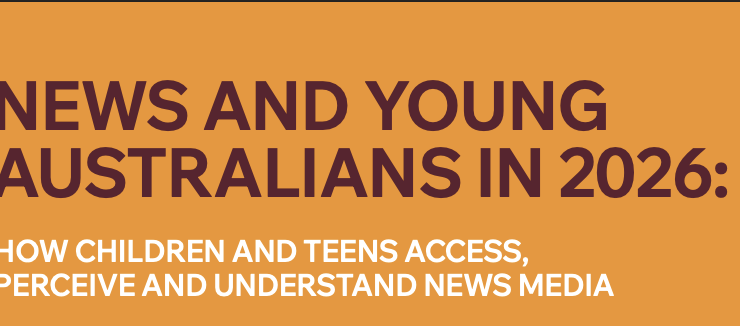
New report: News and Young Australians in 2026

A new report, News and Young Australians in 2026, has been released — the fourth in a longitudinal study running since 2017, produced through a collaboration between researchers at Western Sydney University, Queensland University of Technology and the University of Canberra, all three of which
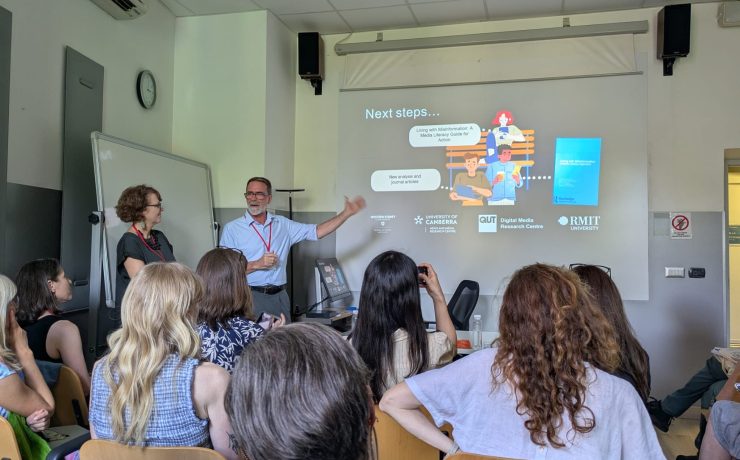
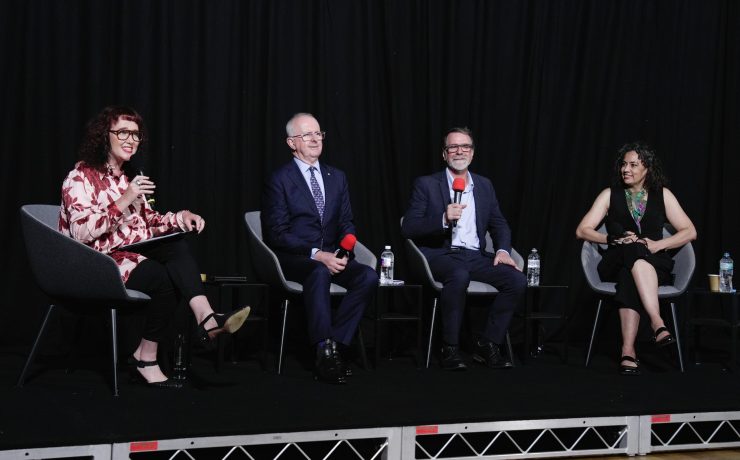
Get ready for Media Literacy Week 2025!

Find out more about the range of events to help celebrate Media Literacy Week (27 – 31 October, 2025) 29 October, 2025 MOAD, The Museum of Australian Democracy is holding an online event with the authors of the Worst Week Ever series, Matt Cosgrove and Eva Amores.

Media Literacy Week is here!

This Media Literacy Week, AMLA will be amplifying the need for media literacy skills and knowledge for all Australians. In a year when half the global population took part or is going to take part in a national election, a time when mis- and dis-information

Train the Trainer Opportunities in East Asia Now Open

DCN Global is launching a new certified virtual training series, Unlocking Media Literacy. This innovative program aims to empower educators across formal, non-formal, and informal settings to seamlessly integrate media literacy into their teaching practices. The series will equip participants with essential skills and knowledge,

New Research on Adult Media Literacy in Australia Launched

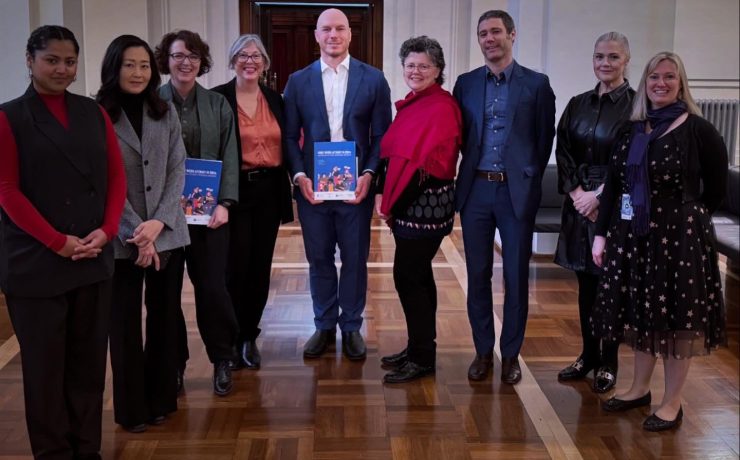
New research supported by AMLA on Adult Media Literacy in Australia was launched today at the Museum of Australian Democracy at Old Parliament House. Co-authored by Associate Professor Tanya Notley, Dr Simon Chambers, Professor Sora Park and Professor Michael Dezuanni, the research examines Australian media

Australian Research Project Website Launched

To discover more about the research project, ‘Addressing Misinformation with Media Literacy through Cultural Institutions’, you can check out the new website. This project brings together leading Australian media literacy researchers with four national public cultural institutions, to address this research gap and respond to